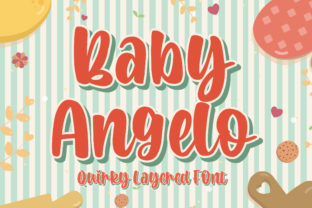
Baby Angelo: A Versatile Script Font for Modern Design Workflows
Baby Angelo is a script font that stands out in the world of typography by blending classic style with modern adaptability. Inspired by traditional calligraphy, it brings a unique flair to any design project without sacrificing readability or usability. Whether you're crafting headlines, body text, or visual elements for digital or print media, Baby Angelo offers a seamless integration into your creative process.
Understanding Baby Angelo's Role in Design Projects
Baby Angelo is not just another font—it's a strategic tool that can elevate the aesthetic and impact of your work. Its versatility makes it suitable for a wide range of applications, from branding materials to editorial layouts. The font’s design allows for both maximum and minimum variations, which means it can be used effectively in both large and small text formats.
For designers, the ability to use Baby Angelo across different mediums—web, print, and even moving images—is a significant advantage. It maintains its elegance and clarity regardless of the platform, making it a reliable choice for professionals who need consistency across various outputs.
Integrating Baby Angelo Into Your Workflow
When considering how to incorporate Baby Angelo into your workflow, it's essential to think about where it will be most effective. This font is particularly well-suited for headlines, as it adds a touch of personality and sophistication. However, its utility extends beyond just titles; it can also be used for short blocks of text where a more expressive typeface is desired.
Before starting a project, take the time to evaluate how Baby Angelo aligns with your overall design goals. Consider factors such as brand identity, target audience, and the message you want to convey. For instance, if your brand has a youthful or playful tone, Baby Angelo could be an excellent match due to its whimsical yet refined appearance.
Implementation Tips for Web and Print
If you're using Baby Angelo on the web, ensure that it's properly embedded or linked through a font service like Google Fonts or Adobe Typekit. This helps maintain consistency across different devices and browsers. For print projects, always check the font’s compatibility with your chosen software and printer specifications to avoid any rendering issues.
When working with long blocks of text, use Baby Angelo sparingly to maintain readability. Pair it with a sans-serif font for body copy to create a balanced visual hierarchy. This approach ensures that the text remains easy to read while still benefiting from the stylistic appeal of Baby Angelo.
Using Baby Angelo in Different Stages of a Project
Baby Angelo can be utilized at various stages of a design project, depending on your specific needs. During the initial planning phase, it can serve as a visual reference for the tone and style you wish to achieve. When creating mockups or wireframes, incorporating Baby Angelo early on helps establish a cohesive look before finalizing other design elements.
During the execution phase, Baby Angelo can be applied to key areas such as headlines, subheadings, and call-to-action buttons. Its distinctive style draws attention and enhances the user experience by adding a sense of movement and character to the content.
After completing a project, Baby Angelo can be revisited for refinement or adjustments. If feedback indicates that certain text elements are not as impactful as intended, consider tweaking the font size, spacing, or pairing it with complementary fonts to improve the overall composition.
Compatibility and Usability
One of the strengths of Baby Angelo is its compatibility with a variety of design tools and platforms. It works well with popular software such as Adobe Photoshop, Illustrator, InDesign, and Figma. Additionally, its availability on web-based font services makes it accessible for collaborative projects where multiple team members may need access to the same assets.
For users who prefer working offline, downloading Baby Angelo as a local font file ensures that it's always available, regardless of internet connectivity. This is especially useful for freelancers or remote teams who may not have consistent access to online resources.
Enhancing Creativity with Baby Angelo
Designers often seek ways to infuse creativity into their work without compromising functionality. Baby Angelo provides an opportunity to do just that by introducing a dynamic element to otherwise static compositions. Its flowing curves and elegant strokes can transform simple text into a visually engaging component of your design.
Experimenting with different weights and styles of Baby Angelo can yield interesting results. While the font itself may have limited variations, combining it with other typographic techniques such as drop shadows, outlines, or color overlays can further enhance its visual appeal.
For those interested in motion graphics or video editing, Baby Angelo can add a unique touch to animations and transitions. Its fluidity makes it ideal for title sequences, captions, or any scene where text needs to move dynamically on screen.
Practical Examples and Observations
Consider a scenario where a marketing team is designing a promotional poster for a new product launch. By using Baby Angelo for the headline, they can immediately capture attention and set a tone that feels both professional and approachable. Pairing this with a clean sans-serif font for the supporting text creates a harmonious balance between style and clarity.
In another example, a blogger might use Baby Angelo for their website's header and featured post titles. This choice reinforces a personal and artistic brand image while ensuring that the content remains easy to navigate and read.
It's also worth noting that Baby Angelo performs well in multilingual environments. Its legibility across different languages makes it a versatile option for international projects or websites targeting diverse audiences.
Long-Term Use and Consistency
When choosing a font like Baby Angelo for long-term use, consistency is key. Establishing clear guidelines for when and how to use the font helps maintain a unified visual identity across all materials. This is particularly important for brands that rely on consistent messaging and branding elements.
Creating a style guide that includes examples of Baby Angelo in different contexts—such as headlines, body text, and logos—can help ensure that everyone involved in the design process understands how to apply it effectively. This reduces the risk of inconsistent usage and strengthens the overall brand presence.
Additionally, keeping track of updates or new versions of Baby Angelo can be beneficial. Font developers occasionally release improvements or additional features that may enhance its performance or expand its capabilities. Staying informed about these changes ensures that you're always using the most up-to-date version of the font.
By integrating Baby Angelo thoughtfully into your workflow, you can leverage its unique characteristics to create compelling designs that stand out in today's competitive landscape. Whether you're working on a small personal project or a large-scale enterprise initiative, this font offers a practical and stylish solution for elevating your typography choices.