Gothic Thin
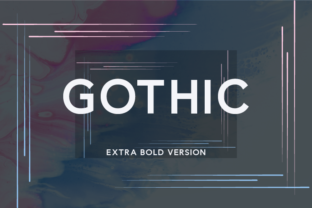
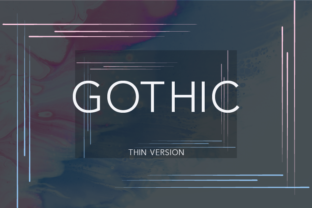
In the ever-evolving world of graphic design, finding a font that balances modernity with elegance can be a game-changer. Gothic Thin is one such font that stands out for its sleek, contemporary feel and refined sans serif structure. As a designer, you understand the importance of typography in shaping visual communication, and Gothic Thin offers a versatile solution that enhances both headings and body text without sacrificing readability or style.
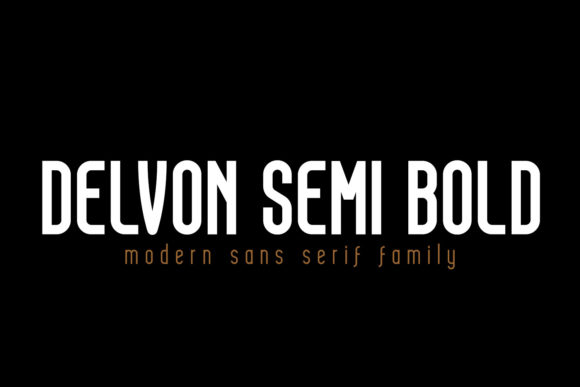
This modern sans serif font is designed to bring a clean and sophisticated look to your creative projects. Its thin strokes and balanced proportions make it ideal for creating a sense of space and openness in your designs. Whether you're working on branding materials, editorial layouts, or digital interfaces, Gothic Thin provides a professional aesthetic that aligns with current design trends.
Why Gothic Thin Works Well with Script and Handwritten Fonts
One of the standout features of Gothic Thin is how effortlessly it pairs with script and handwritten fonts. This combination allows for a dynamic contrast between structured and organic elements, which can add visual interest and depth to your work. For instance, using Gothic Thin as the primary text font while incorporating a cursive font for headings or accents can create a harmonious yet distinctive visual identity.
Consider these practical applications:
- Branding and logo design: Gothic Thin’s clean lines help establish a modern brand identity that feels approachable yet professional.
- Social media graphics: Its legibility at smaller sizes makes it perfect for captions, hashtags, and short-form content.
- Website and UI design: The font's scalability ensures it looks great across different screen sizes and resolutions.
- Packaging design: It adds a touch of sophistication to product labels and packaging without overwhelming the viewer.
Enhancing Visual Hierarchy and User Experience
Typography plays a crucial role in guiding the reader’s eye through a design. Gothic Thin contributes to this by offering a clear visual hierarchy when used effectively. By varying font weights, sizes, and spacing, you can direct attention to key messages and improve overall readability.
When integrating Gothic Thin into your design workflow, consider how it interacts with your color palette and other visual elements. A well-balanced composition—where typography complements imagery and layout—can significantly enhance user experience and engagement. For example, pairing Gothic Thin with a bold color scheme in a digital marketing campaign can create a striking first impression that resonates with your target audience.
Additionally, Gothic Thin works well in both print and digital formats. Its crisp edges ensure clarity even at small sizes, making it suitable for everything from brochures to mobile app interfaces. This adaptability makes it a valuable asset in any designer’s toolkit.
Tips for Using Gothic Thin Effectively
To get the most out of Gothic Thin, keep these tips in mind:
- Maintain consistency: Use Gothic Thin consistently across all design elements to reinforce brand recognition.
- Test readability: Always check how the font performs in different contexts, especially when used alongside images or background textures.
- Pair wisely: Experiment with complementary fonts to find the right balance between structure and creativity.
- Respect scale: Ensure that Gothic Thin is used appropriately in terms of size and weight to maintain visual harmony.
Whether you're designing a new logo, updating a website, or creating promotional materials, Gothic Thin offers a modern and elegant solution that supports your creative vision. Its versatility and refined appearance make it a powerful tool for enhancing your design projects and communicating your message with clarity and impact.