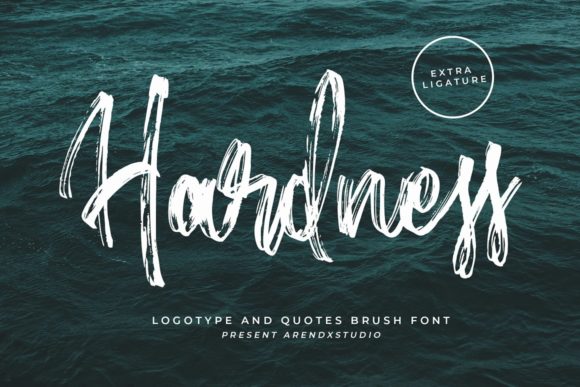
Hardness: A Spectacular Brush Style Handwritten Font That Elevates Your Creativity
Hardness is more than just a font—it's an artistic statement. Designed with a unique brush style, this handwritten font brings warmth, character, and personality to any creative project. Whether you're designing logos, writing blog posts, or creating marketing materials, Hardness adds a human touch that digital fonts often lack. But like any tool, it requires thoughtful use to achieve the best results.
What Is Hardness?
Hardness is a beautiful, brush-style handwritten font that mimics the natural flow of ink on paper. It has a dynamic, organic feel, making it ideal for projects that require a personal or artistic flair. The font features varying stroke weights and subtle imperfections that give it a hand-drawn authenticity.
This font is especially popular among designers, bloggers, and marketers who want to stand out in a sea of generic typography. Its versatility makes it suitable for both print and digital media, from social media graphics to website headers.
Why People Are Drawn to Hardness
The appeal of Hardness lies in its ability to convey emotion and individuality. Unlike rigid, sans-serif fonts, Hardness feels alive—each letter carries a sense of movement and intention. This makes it perfect for branding, creative writing, and visual storytelling.
Many users are drawn to Hardness because it offers a fresh alternative to standard typefaces. It can transform ordinary text into something visually engaging and memorable. For instance, using Hardness in a headline can immediately grab attention and create a stronger emotional connection with the audience.
Common Mistakes When Using Hardness
While Hardness is visually appealing, there are common pitfalls that can undermine its effectiveness. One mistake is using it for long blocks of text. Because it's a decorative font, readability can suffer when used extensively. Always pair it with a simpler font for body text to maintain clarity.
Another frequent error is not considering the context in which Hardness is used. It may not be suitable for formal documents or technical content where legibility is crucial. Misusing it in such situations can lead to confusion or a lack of professionalism.
Some users also overlook the importance of spacing and kerning when working with Hardness. The irregular strokes and shapes can cause letters to appear misaligned if not properly adjusted. Taking the time to fine-tune these details ensures a polished final result.
How to Avoid Common Pitfalls
To get the most out of Hardness, consider the following tips:
- Use it sparingly: Reserve Hardness for headlines, titles, or short phrases rather than large chunks of text.
- Pair it wisely: Combine it with a clean, readable font for body text to ensure overall design harmony.
- Adjust spacing: Use font editors or design software to tweak letter spacing and alignment for optimal visual balance.
- Check legibility: Always review your work on different screens and devices to ensure Hardness remains clear and easy to read.
Real-World Examples of Hardness in Action
Imagine you're launching a new blog focused on lifestyle and wellness. Using Hardness for your site's title and navigation menu can instantly add a warm, inviting feel. Pairing it with a minimalist sans-serif font for the rest of the content keeps the design balanced and professional.
For a small business owner promoting their products on Instagram, Hardness can be used in captions or post titles to make their brand feel more personable and approachable. This subtle shift in typography can significantly impact how audiences perceive the brand.
Even educators can benefit from Hardness. Using it in presentation slides or handouts can make learning materials feel more engaging and less formal, encouraging better student participation.
What to Check Before Choosing Hardness
Before downloading or purchasing Hardness, consider the following factors:
- Licensing: Ensure you understand the terms of use, especially if you plan to use the font commercially.
- Compatibility: Confirm that Hardness works across all the platforms and software you use, including web browsers, graphic design tools, and mobile apps.
- Font quality: Preview the font in different sizes and colors to see how it performs under various conditions.
- User reviews: Look for feedback from other designers or creators to gauge its popularity and reliability.
Conclusion
Hardness is a powerful tool that can elevate your creative projects when used correctly. By understanding its strengths and limitations, you can avoid common mistakes and unlock its full potential. Whether you're a beginner or an experienced designer, incorporating Hardness into your workflow can help you create designs that stand out and resonate with your audience.
Remember, the key to success with Hardness—and any font—is knowing when and how to use it effectively. With a little practice and attention to detail, you'll be able to harness its beauty and bring your ideas to life in a way that feels both authentic and impactful.