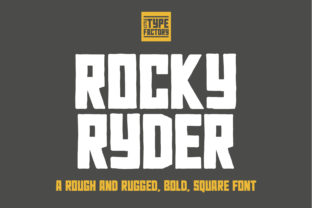
Rocky Ryder: A Bold Choice for Personalized Design Projects
Rocky Ryder is more than just a font—it's a statement. With its rugged, hand-drawn style and dynamic energy, it brings a unique flair to any design project that demands personality. Whether you're creating branding materials, digital content, or print media, Rocky Ryder can elevate your visuals with a touch of character and charm. However, like any tool, it requires thoughtful application to achieve the best results.
What Is Rocky Ryder?
Rocky Ryder is a display font known for its bold, uneven strokes and edgy aesthetic. Designed to mimic the look of graffiti or hand-painted text, it exudes confidence and individuality. This font is ideal for headlines, logos, posters, and other visual elements where attention-grabbing typography is essential.
Its versatility makes it a popular choice among designers who want to break away from traditional fonts and add a personal touch to their work. It works well in both digital and print formats, as long as the design allows for its distinctive features to shine through.
Why People Choose Rocky Ryder
People are drawn to Rocky Ryder because it stands out. In a world filled with clean, minimalist fonts, this one offers a refreshing contrast. It’s perfect for projects that need a sense of rebellion, creativity, or authenticity.
Marketers might use it for campaigns targeting younger audiences, while entrepreneurs could incorporate it into their branding to convey a strong, independent image. Bloggers and educators might find it useful for titles or headings that need to grab attention without being too formal.
Common Mistakes When Using Rocky Ryder
While Rocky Ryder can be a powerful asset, there are common pitfalls that users often overlook. These mistakes can affect the readability, aesthetics, and overall effectiveness of the design.
- Misusing It for Small Text: Rocky Ryder is not suitable for body text due to its irregular shapes and thick strokes. Using it in small sizes can make the text hard to read and unprofessional.
- Ignoring Spacing and Kerning: The font’s uneven structure means spacing between letters and lines must be carefully adjusted. Neglecting this can lead to a cluttered or unbalanced layout.
- Overusing It: Applying Rocky Ryder everywhere can dilute its impact. It should be used sparingly to maintain visual hierarchy and ensure it doesn’t overwhelm the design.
- Not Matching It with Complementary Fonts: Pairing Rocky Ryder with a clean, sans-serif font can help balance the design and improve readability. Failing to do so may result in an uncoordinated look.
- Using It in the Wrong Context: While it adds flair, Rocky Ryder may not be appropriate for formal or professional settings such as legal documents or academic papers. Choosing the right context is crucial for maintaining credibility.
How to Avoid Common Mistakes
To make the most of Rocky Ryder, consider these practical tips:
Use It for Headlines Only: Reserve Rocky Ryder for large, impactful text such as headlines, banners, or logos. This ensures it remains legible and effective without sacrificing clarity.
Adjust Spacing Carefully: Take the time to fine-tune letter and line spacing. Most design software includes tools for adjusting kerning and leading, which can help achieve a polished look.
Balance with Other Fonts: Use a complementary font for body text or secondary headings. For example, pairing Rocky Ryder with a modern sans-serif font like Helvetica or Arial can create a balanced and visually appealing composition.
Limit Its Usage: Apply Rocky Ryder only where it adds value. Overuse can lead to a chaotic appearance and reduce the overall professionalism of the design.
Consider the Context: Always think about the message you want to convey. If the goal is to appear serious or authoritative, Rocky Ryder may not be the best choice. Save it for creative or informal projects where its boldness enhances the intended tone.
What to Check Before Using Rocky Ryder
Before incorporating Rocky Ryder into your design, take a moment to evaluate a few key factors:
- Readability: Ensure the font is legible at the size and distance it will be viewed. Test it on different screens and in print if possible.
- License Agreement: Verify that you have the right to use Rocky Ryder for your specific purpose. Some fonts come with restrictions on commercial use or require attribution.
- Compatibility: Check that the font works across all platforms and devices. Some fonts may not render correctly on certain operating systems or browsers.
- Design Harmony: Make sure the font complements the rest of your design elements, including colors, images, and other typography choices.
- Purpose and Audience: Align the font with the goals of your project and the expectations of your audience. What works for a social media post may not be suitable for a business report.
By considering these aspects, you can avoid potential issues and ensure that Rocky Ryder enhances rather than hinders your design.
Rocky Ryder is a great display font when used thoughtfully. Its bold and expressive nature can bring life to any project that needs a personalized appearance. By avoiding common mistakes and following practical advice, you can harness its full potential and create designs that stand out in a meaningful way.