Frenchoy: A Handwritten Font for Strategic Design and Effective Communication
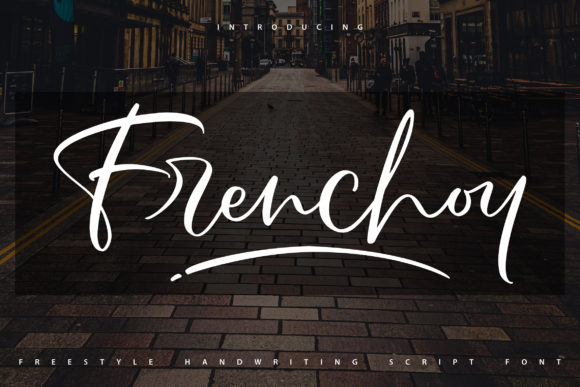
Frenchoy is a sweet and flowing handwritten font that brings warmth, elegance, and personality to any design. As a PUA encoded font, it offers access to all its glyphs and swashes with ease, making it a powerful tool for creative professionals. Its varying baseline, smooth lines, gorgeous glyphs, and stunning alternates make it incredibly versatile. Whether you're crafting brand identities, designing marketing materials, or creating content that needs a personal touch, Frenchoy can be a strategic asset in your toolkit.
Strategic Use of Frenchoy in Branding and Communication
When used thoughtfully, Frenchoy can support branding efforts by conveying a sense of approachability and creativity. Its handwritten style gives the impression of authenticity, which can be especially valuable for businesses looking to build trust with their audience. For example, a boutique coffee shop might use Frenchoy in its logo and social media posts to create a warm, inviting atmosphere that resonates with customers.
Consider how Frenchoy aligns with your brand's tone and values before incorporating it into your visual identity. If your brand is professional and corporate, using a handwritten font like Frenchoy may not be appropriate in all contexts. However, it can add a human element to otherwise rigid designs, such as in taglines, quotes, or customer testimonials.
Practical Examples of Frenchoy in Action
- Marketing Materials: Use Frenchoy in headlines or call-to-action buttons on brochures, flyers, and posters to draw attention and evoke emotion.
- Web Design: Incorporate Frenchoy in headings or navigation menus to add a personal touch without compromising readability.
- Email Campaigns: Apply Frenchoy in subject lines or signature blocks to create a friendly and engaging tone.
- Print Media: Leverage Frenchoy in magazine layouts, book covers, or packaging designs to enhance visual appeal.
Planning Your Approach to Using Frenchoy
Before relying on Frenchoy for a project, consider the context, audience, and purpose. A font choice should be intentional, not random. Ask yourself: What message do I want to convey? Who is my target audience? How does this font support my overall communication goals?
For instance, if you're targeting a younger demographic, Frenchoy’s playful and expressive nature could be an excellent fit. On the other hand, if your audience prefers a more formal tone, you may need to balance Frenchoy with more traditional fonts to maintain professionalism.
Also, think about legibility. While Frenchoy is visually appealing, it may not be suitable for long blocks of text. Reserve it for headings, subheadings, or short phrases where its character can shine without overwhelming the reader.
Decision-Making Guidance for Effective Use
- Define Your Goals: Determine what you hope to achieve with your design. Is it to inform, persuade, entertain, or inspire?
- Analyze Your Audience: Understand the preferences and expectations of your target audience. Does Frenchoy align with their tastes and needs?
- Evaluate Context: Consider the medium, platform, and environment where your design will be used. Will Frenchoy work well in digital or print formats?
- Test and Refine: Experiment with different applications of Frenchoy and refine your approach based on feedback and results.
Risks of Using Frenchoy Without Clear Strategy
While Frenchoy is a beautiful and expressive font, using it without a clear strategy can lead to ineffective or even counterproductive outcomes. For example, applying Frenchoy in a business report or technical document may undermine the perceived professionalism of the content. Similarly, overusing it in a design can create visual clutter and distract from the main message.
To avoid these risks, ensure that your use of Frenchoy is grounded in purpose and context. Always ask whether the font enhances the message or distracts from it. When in doubt, consult with colleagues, stakeholders, or industry experts to get an outside perspective.
How to Use Frenchoy Intentionally
Using Frenchoy intentionally means being mindful of its impact on your audience and your goals. Here are some practical tips to help you use it effectively:
- Pair with Complementary Fonts: Combine Frenchoy with sans-serif or serif fonts to create contrast and balance in your designs.
- Limit Usage: Use Frenchoy sparingly to maintain visual harmony and prevent overuse.
- Experiment with Alternates: Take advantage of Frenchoy’s glyphs and swashes to add variety and interest to your designs.
- Ensure Readability: Prioritize legibility by avoiding small font sizes or low-contrast color combinations when using Frenchoy.
Long-Term Value of Frenchoy in Creative Projects
Investing time and effort into understanding and using Frenchoy strategically can yield long-term benefits for your creative projects. From enhancing brand recognition to improving user engagement, the thoughtful application of this font can contribute to better outcomes and more meaningful interactions with your audience.
As you continue to explore the possibilities of Frenchoy, remember that its value lies in its ability to connect with people on an emotional level. By using it intentionally and with purpose, you can create designs that not only look great but also resonate deeply with your audience.
Whether you're an entrepreneur, marketer, creator, educator, freelancer, blogger, publisher, small business owner, hobbyist, or decision-maker, Frenchoy offers a unique opportunity to elevate your work and achieve better results through thoughtful design choices.