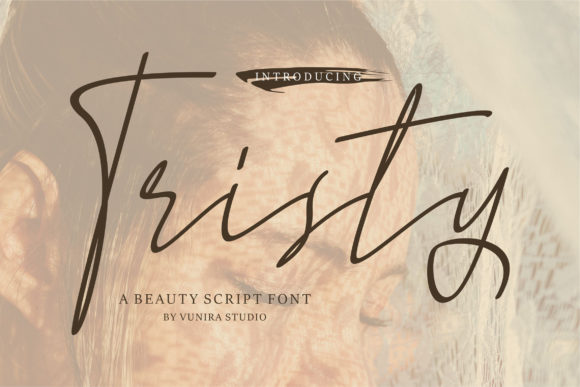
Tristy: A Thin and Elegant Handwritten Font for Strategic Design and Communication
Tristy is a thin and elegant handwritten font that brings a unique blend of simplicity and sophistication to any design. Its clean lines, subtle curves, and organic feel make it an excellent choice for professionals seeking to enhance their visual communication with a touch of personality and professionalism. Whether you're creating branding materials, marketing collateral, or digital content, Tristy can be a powerful tool when used strategically.
Understanding the Strategic Value of Tristy
At its core, Tristy is more than just a font—it's a design element that can influence perception, evoke emotion, and reinforce brand identity. The thin and elegant nature of Tristy makes it ideal for scenarios where clarity and elegance are paramount. This font can help convey messages with a sense of approachability while maintaining a level of refinement that appeals to a wide audience.
For entrepreneurs and marketers, Tristy offers a way to stand out in a crowded marketplace without sacrificing readability. Its handwritten appearance suggests authenticity, which is increasingly valued by consumers who seek genuine connections with brands.
When to Use Tristy for Maximum Impact
- Branding: Use Tristy in logos, taglines, and brand assets to create a memorable and visually appealing identity.
- Marketing Materials: Incorporate Tristy into brochures, flyers, and social media graphics to add a personal touch that resonates with your audience.
- Digital Content: Apply Tristy in website headers, blog titles, and email newsletters to improve engagement and readability.
- Presentations: Utilize Tristy in slideshows and reports to maintain a professional yet inviting tone.
Strategic Planning with Tristy: Goals, Context, and Outcomes
Before integrating Tristy into your design strategy, it's essential to align its use with your specific goals and context. Consider what message you want to convey and how Tristy will support that message. For example, if you're launching a new product aimed at young professionals, Tristy’s modern and clean aesthetic may resonate well with your target demographic.
On the other hand, if your brand has a more traditional or formal image, using Tristy might not be appropriate. It's crucial to ensure that the font complements your overall brand identity rather than conflicting with it.
Here are some strategic considerations when planning to use Tristy:
- Define Your Objectives: Are you aiming to build brand recognition, increase engagement, or enhance user experience? Align Tristy’s use with these objectives.
- Analyze Your Audience: Understand the preferences and expectations of your target audience. Will they perceive Tristy as professional or too casual?
- Test Different Applications: Experiment with Tristy in various contexts—such as headings, body text, and call-to-action buttons—to determine what works best.
- Ensure Readability: While Tristy is elegant, it should never compromise readability. Always test how it appears on different devices and screen sizes.
Practical Examples of Tristy in Action
Imagine you're designing a brochure for a boutique fitness studio. Using Tristy for the heading "Welcome to Your Journey" adds a warm and inviting feel that aligns with the studio's mission of promoting health and wellness. Pairing it with a sans-serif font for body text ensures that the information remains easy to read.
In another scenario, a small business owner might use Tristy in their email newsletter subject line, such as "Your Monthly Update Inside." This creates a sense of familiarity and personal connection, encouraging higher open rates.
Freelancers and creatives can also benefit from using Tristy in their portfolio websites. Applying it to section titles or project names can make the content more engaging while maintaining a professional look.
Risks of Using Tristy Without Strategy
While Tristy offers many benefits, it's important to recognize the risks associated with using it without a clear strategy. One common pitfall is overusing the font, which can lead to visual clutter and reduce the effectiveness of your design. Another risk is applying Tristy in situations where it doesn't align with your brand's voice or the intended message.
Additionally, using Tristy without considering legibility across different platforms and devices can result in poor user experiences. For instance, if the font becomes difficult to read on mobile screens, it could deter potential customers or clients.
To avoid these issues, always approach the use of Tristy with intention. Ask yourself: Does this font support my goal? Is it appropriate for my audience? Will it enhance the message I want to convey?
How to Use Tristy Intentionally
Using Tristy intentionally involves thoughtful planning and a deep understanding of your design goals. Here are some practical steps to help you integrate Tristy effectively:
- Start with a Clear Purpose: Define what you want to achieve with your design. Let that purpose guide your font choices.
- Experiment with Combinations: Pair Tristy with complementary fonts to create a balanced and visually appealing layout.
- Focus on Key Elements: Use Tristy for headlines, call-to-action buttons, and other prominent elements rather than throughout entire documents.
- Consider Accessibility: Ensure that Tristy is readable by all users, including those with visual impairments. Avoid using it in low-contrast environments.
- Seek Feedback: Get input from others to gauge how effective your use of Tristy is. Use their insights to refine your approach.
Long-Term Benefits of Strategic Font Selection
Choosing the right font like Tristy isn’t just about aesthetics—it’s about making informed decisions that contribute to long-term success. When used strategically, Tristy can become a consistent and recognizable element of your brand, reinforcing your identity and building trust with your audience.
Over time, the intentional use of Tristy can lead to stronger brand recall, improved user engagement, and more effective communication. These outcomes can have a ripple effect, influencing everything from customer loyalty to business growth.
As you continue to develop your design strategy, remember that every choice—no matter how small—can have a significant impact. By leveraging the unique qualities of Tristy with purpose, you can create designs that not only look great but also deliver real value.