Bakery Brush: A Strategic Design Tool for Creative Professionals
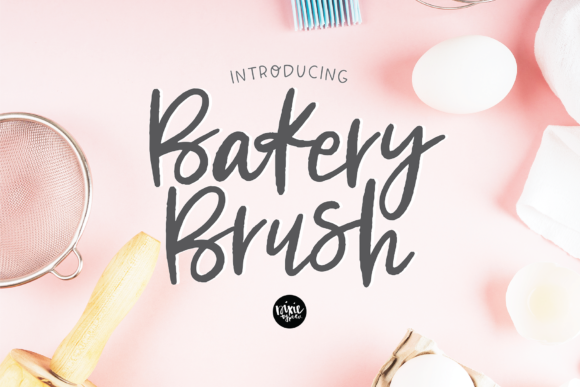
Bakery Brush is a bouncy handwritten font created with a brush pen. It brings a sense of warmth, authenticity, and artistic flair to any design project. Unlike rigid, sans-serif fonts that often feel sterile or overly formal, Bakery Brush mimics the natural flow of a hand-drawn script, making it ideal for branding, headings, wedding designs, invitations, signatures, logos, labels, and more.
Why Bakery Brush Matters in Modern Design
In today’s competitive creative landscape, standing out requires more than just good ideas—it demands visual differentiation. Bakery Brush offers a unique aesthetic that can elevate your work from generic to memorable. Its dynamic strokes and organic curves give a sense of movement and personality, which can be especially useful in industries where emotional connection is key, such as hospitality, lifestyle, and personal branding.
For entrepreneurs and small business owners, this font can help establish a brand identity that feels approachable yet professional. For marketers, it adds a human touch to campaigns, increasing engagement and relatability. Educators and content creators can use it to make learning materials more inviting and visually stimulating.
Strategic Use Cases for Bakery Brush
- Branding: Use Bakery Brush for logos, taglines, and brand names to create a friendly, artistic image.
- Wedding Designs: Perfect for invitations, thank-you cards, and event signage due to its elegant, personal feel.
- Headings and Titles: Adds visual interest to blog posts, presentations, and reports without overwhelming the reader.
- Social Media Graphics: Ideal for captions, quotes, and promotional banners that need a pop of character.
- Labels and Packaging: Enhances product appeal with a handwritten look that suggests care and craftsmanship.
Planning Your Use of Bakery Brush
Before incorporating Bakery Brush into your design projects, consider the context and audience. While it is versatile, it may not be suitable for every scenario. For instance, it might not be the best choice for long blocks of text or highly technical documents where readability is critical.
A practical approach is to use Bakery Brush sparingly and strategically. Apply it to headlines, call-to-action buttons, or decorative elements rather than body text. This ensures legibility while still leveraging its stylistic benefits.
Consider the tone you want to convey. Bakery Brush has a playful and warm energy, which aligns well with creative, lifestyle, or community-focused brands. However, if your brand positioning leans toward professionalism or minimalism, you may want to pair it with a more neutral font for balance.
How to Approach Font Pairing with Bakery Brush
- Choose a Complementary Font: Pair Bakery Brush with a clean sans-serif or serif font for contrast and readability. Examples include Helvetica, Georgia, or Roboto.
- Test on Different Backgrounds: Ensure the font remains legible against various colors and textures, especially if used in print or digital media.
- Adjust Size and Weight: Use Bakery Brush in larger sizes for emphasis and smaller sizes for subtle accents. Avoid using it in all caps, as it can lose its natural charm.
Risks of Using Bakery Brush Without Strategy
While Bakery Brush can enhance your design, using it without clear goals or context can lead to misalignment with your brand or message. For example, applying it to a corporate report or financial document could undermine the seriousness of the content.
Another risk is overuse. If applied too frequently or inappropriately, Bakery Brush may become distracting rather than effective. It’s essential to maintain a balance between creativity and clarity.
Additionally, not all platforms support custom fonts equally. Before finalizing a design, test Bakery Brush across different devices and browsers to ensure consistency and compatibility.
Decision-Making Tips for Effective Use
- Align with Brand Identity: Review your brand guidelines to ensure Bakery Brush complements your existing visual language.
- Seek Feedback: Share your designs with colleagues or target audiences to gauge how the font is perceived.
- Use It Intentionally: Reserve Bakery Brush for moments that require a personal or artistic touch, not as a default choice.
Long-Term Value and Practical Applications
Investing in a thoughtful font like Bakery Brush can yield long-term benefits by strengthening your brand’s visual identity and enhancing user experience. Over time, consistent use of this font across marketing materials, packaging, and digital assets can reinforce recognition and trust.
For freelancers and small business owners, this can be particularly valuable. A well-designed logo or website with Bakery Brush can differentiate them from competitors and attract clients who value creativity and attention to detail.
Moreover, using Bakery Brush in educational materials or blogs can improve engagement by making content more visually appealing and easier to digest. It can also be a powerful tool in storytelling, helping to create a narrative that resonates emotionally with the audience.
Practical Examples of Bakery Brush in Action
Imagine designing a wedding invitation. Instead of a standard block of text, you use Bakery Brush for the name of the couple and key dates. This adds a personal, romantic touch that makes the invitation feel unique and special.
Or consider a blog post about baking. Using Bakery Brush for subheadings and pull quotes can create a fun, inviting atmosphere that aligns with the theme of the content.
For a small café, Bakery Brush could be used in signage, menu items, and social media posts to evoke a cozy, artisanal vibe that draws customers in.
Conclusion: Elevating Design Through Thoughtful Typography
Bakery Brush is more than just a font—it’s a strategic design element that can transform your creative output. By understanding its strengths and limitations, you can use it to enhance your projects in meaningful ways.
Whether you’re a marketer, designer, educator, or entrepreneur, incorporating Bakery Brush thoughtfully can help you achieve better results, build stronger connections, and create more engaging experiences. The key is to use it intentionally, with a clear purpose and an eye for balance.